Fall Forum 2026
Teaching, Learning & Assessment
Connect, collaborate, and explore assessment, AI, general education, and creative teaching with colleagues across Mizzou.
To see recordings, click the session titles.
Session Recordings and Program
Teaching with Show-Me AI
Location: Monsanto Auditorium, Bond Life Sciences Center
Show-Me AI is Mizzou’s generative AI platform available to all instructors and students. This session introduced faculty to the platform and demonstrated how it can be used to support teaching and learning in a secure university environment. Participants explored how to get started with Show-Me AI, its core features, and examples of how instructors can incorporate it into their courses. The session also offered a preview of intermediate and advanced features, including custom AI assistants and other tools for designing AI-supported learning experiences.
Learning Outcomes:
The session’s learning objectives were to:
- Access and navigate the Show-Me AI platform.
- Identify key features available to instructors and students.
- Describe ways Show-Me AI can be incorporated into teaching and learning activities.
- Understand how custom assistants can be used to create structured AI learning experiences for students.
- Identify opportunities for further training and more advanced uses of Show-Me AI.

Associate Professor, Theatre and Performance Studies
Now What? Making Assessment Count
Location: Monsanto Auditorium, Bond Life Sciences Center
Assessment doesn’t end when results are collected. The most meaningful work begins when faculty use evidence to improve student learning and then evaluate whether those changes made a difference—a process often referred to as closing the loop. This session explored practical strategies for moving from assessment findings to meaningful action. Examples and discussion illustrated how thoughtful use of assessment evidence can strengthen teaching, support continuous improvement, and enhance student learning.
Learning Outcomes:
The session’s learning objectives were to:
- Explain what it means to “close the loop” in the assessment process.
- Identify opportunities to use assessment findings to improve student learning.
- Develop an actionable next step based on assessment results.
- Recognize how reassessment provides evidence that changes have improved student learning.

Director of Educational Assessment
Sharing and Feedback for the Developing MU General Education Program Learning Outcomes
Location: Bond Life Sciences Center Atrium
Lunch Presentation and Small Group Discussion on General Education
The General Education Task Force sought input from the MU community to inform its work. During this session, members of the General Education Task Force Executive Committee summarized the work from year one and outlined the next steps, with a particular focus on the Program Learning Outcomes (PLOs) under development at the time. Attendees were invited to discuss and provide feedback to inform revisions to the PLOs and the direction of MU’s General Education program.
Learning Outcomes:
The session’s learning objectives were to:
- Understand the Taskforce’s charge and progress during its first year.
- Consider and provide input for the developing PLOs.
- Identify opportunities to contribute, including how to contact task force members.

Associate Provost for Faculty Affairs

Senior Director, Office of the Provost

Teaching Professor, Health Sciences

Curators Distinguished Teaching Professor, Department of Biological Sciences
Teaching with a Creative Purpose
Location: Bond Life Sciences Center, Room 171
Through student-centered teaching, the floral artistry and management program focuses on students’ growth in critical thinking, self-discovery, and cognitivism. This lecture explored how focusing on students’ learning can shape teaching methods.
The in-person session included a hands-on floral arrangement activity.
Learning Outcomes:
- Actively participate in a new hands-on experience.
- Understand active learning in classrooms of 15–125 students.
- Implement creativity and structure in the collegiate curriculum.
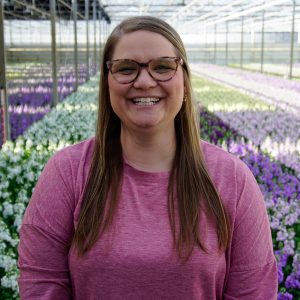
Assistant Teaching Professor: Floral Artistry and Management
Division of Plant Sciences and Technology
To see recordings, click the session titles.